How to Bring African American Heritage into Your Home Decor
Start with a Single Piece That Speaks to You
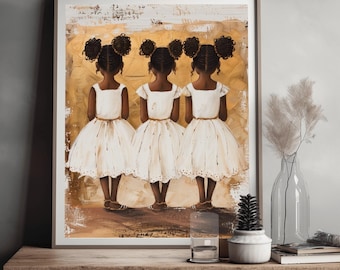
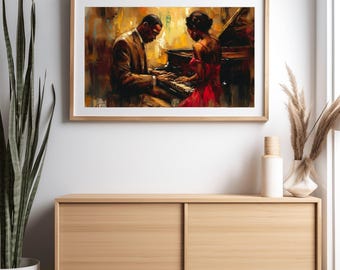
The easiest way to begin is to choose one item that resonates. It might be a canvas print of a work by an artist whose style you admire, or a poster that captures a moment from history. Look for pieces that use visual symbolism drawn from the African diaspora, patterns, colors, or motifs that carry cultural meaning. A single piece can anchor a room and give you a direction for the rest of your decor.
What to watch: Don't try to fill a wall immediately. Let one piece settle in your space, and see how it interacts with your existing furniture and light. This approach helps you avoid a cluttered look and allows you to build slowly around what you truly love.
Build Around a Central Theme
Once you have a foundation piece, think about the story you want to tell. Are you drawn to the historical narrative of the civil rights movement? Or do you prefer the vibrant patterns of African folk art and regional tradition? Choose a theme that feels personal, perhaps one tied to your own family history or to an aspect of Black culture you admire. This theme will guide your choices for colors, textures, and additional pieces.
For example, if you lean toward folk art, look for handmade sculptures, textiles, or pottery that reflect the craft traditions of the African diaspora. If your interest is in identity and modern expression, seek out contemporary posters or prints that explore Black experience today. The key is coherence: every new item should feel like it belongs in the same conversation.
What to watch: Avoid mixing too many unrelated themes in one room. Stick to one central idea, like "the Great Migration" or "celebration of Black joy", and let that inform your purchases. This keeps the decor meaningful rather than just decorative.
Incorporate Layers of Texture and Material
Wall art is a strong start, but a room feels more complete when you add layers. Consider textiles such as woven throws, embroidered pillows, or a hand-dyed rug that echo the colors or patterns in your wall pieces. These elements add warmth and depth, and they can subtly reinforce the cultural heritage you're honoring.
Look for natural materials like cotton, wool, or clay that connect to the craft traditions of the African diaspora. A basket from Ghana or a mudcloth pillow from Mali can sit alongside your prints and posters, creating a space that feels both curated and lived-in.
What to watch: Balance is important. Too many textures can feel chaotic; too few can feel sterile. Aim for two or three different materials in a single room. Let the wall art remain the focal point while the textiles and objects support it.
Use Color Intentionally
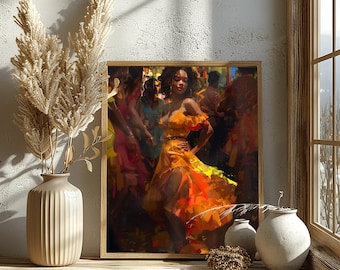
Color carries powerful meaning in African American art and culture. Yellows and golds often symbolize prosperity and energy. Deep blues and indigos can represent spirituality or the ocean of the Middle Passage. Greens are tied to land, growth, and renewal. Reds speak to blood, struggle, and passion. When selecting decor, think about the emotional tone you want each room to have.
You can echo these colors in paint, furniture upholstery, or smaller accents like vases and candle holders. A room anchored by a bold red and black print might feel energized and dramatic. A space with soft indigos and earth tones might feel calm and reflective. The colors you choose become part of the story your home tells.
What to watch: Don't feel pressured to use every color in the palette. Pick two or three that speak to your theme and repeat them throughout the room. This creates a harmonious look without overwhelming the space.
Add Objects That Tell a Story
Beyond wall art and textiles, consider functional objects that carry cultural significance. A carved wooden bowl, a ceramic vessel with African motifs, or a set of coasters featuring adinkra symbols can all contribute to a layered space. These pieces invite conversation and offer a way to share the narrative behind your decor with guests.
Look for items that connect to the African diaspora in a genuine way. A mask from the Ivory Coast, a Kente cloth placemat, or a piece of pottery from a Black-owned studio can all feel authentic. Avoid mass-produced items that use cultural symbols without context, they can feel hollow or even disrespectful.
What to watch: Quality over quantity. A single, well-chosen object often has more presence than a shelf full of trinkets. Let each piece earn its place by the story it carries.
Blend Old and New
One of the strengths of African American art is its ability to bridge past and present. You can honor that by mixing vintage or antique pieces with contemporary ones. A vintage photograph from the Harlem Renaissance can hang beside a modern abstract print. An heirloom quilt can be displayed as wall art alongside a sleek, minimalist canvas.
This mix keeps your decor from feeling like a museum. It acknowledges that Black culture is living and evolving, not frozen in time. The contrast between old and new can also create visual interest, drawing the eye and prompting reflection.
What to watch: Be intentional about the pairing. A busy vintage piece next to a busy modern one can feel chaotic. Let one be the anchor and the other the accent. For example, a detailed folk art piece might be placed on a wall with a simple, solid-colored background, letting its patterns shine.
Make It Personal
Your home should feel like yours. If you have family photos from reunions, albums of past generations, or heirlooms passed down, find ways to incorporate them. A gallery wall can mix family portraits with prints of African American art, creating a timeline that is both personal and cultural. This approach grounds the larger historical narrative in your own lived experience.
If you don't have family artifacts, consider commissioning a custom piece from a Black artist. A portrait of an ancestor you've researched, or a map of your family's migration route, can become a meaningful centerpiece. The goal is to make the decor feel authentic to you, not like a generic design trend.
What to watch: Don't force a story where there isn't one. If a piece doesn't resonate with you on a personal level, it probably won't resonate with visitors either. Let your own connection guide your choices.
Edit Ruthlessly
As you build your collection, step back regularly and assess the overall effect. Does every piece still support your theme? Does the room feel cohesive or cluttered? The best spaces often have fewer items, each chosen with care. Don't be afraid to rotate pieces seasonally or to retire something that no longer feels right.
What to watch: A common mistake is buying too many pieces at once. Take your time. Let the room evolve naturally as you find new works that speak to you. This process ensures that every item in your home has meaning and that your decor continues to reflect your growth.
Bringing African American history and culture into your decor is not about following a formula. It's about creating a space that honors the richness of the African diaspora, celebrates identity, and tells a story that matters. Start with one piece, build with intention, and let your home become a reflection of the heritage you value.
Ends · THEARTFULHOME